Basic HTML Version



Stroke
alert
PAT I ENT P ROF I L E
Sarice Bassin, MD
PeaceHealth Medical Group
Neurology
505 NE 87th Ave., Suite 460
Vancouver, WA 98664
360.514.7771
Act FAST
When it comes to stroke,
time lost is brain lost. So act
FAST and call 911 at the
warning signs of a stroke.
F
ace: Ask the
person to smile.
Does one side droop?
A
rms: Ask the
person to raise both
arms. Does one
arm drift downward?
S
peech: Ask the
person to repeat
a simple phrase. Is
their speech slurred?
T
ime: If you observe
any of these signs,
call 911 immediately.
S T ROKE I S THE TH I RD L EAD I NG CAUS E OF DEATH
in the United States. Those who survive often face a
lengthy battle back to better health.
Neurological damage from stroke can range from minor
loss of function to severe paralysis. The challenges that
face stroke survivors are certainly physical, but there can
be emotional struggles too, as they fight to regain their
mobility and independence.
“It’s normal to feel a sense of loss after a stroke,
especially if basic functions like walking, talking or
even eating have to be learned all over again,” explains
Sarice Bassin, MD, Director of Stroke at PeaceHealth
Southwest. “Stroke often leads to depression, which
is a tremendous burden itself, and can curtail and
delay rehabilitation.”
It’s estimated that as many as 4 out of 10 stroke survivors
experience major depression, and another 30 percent
have mild depression.
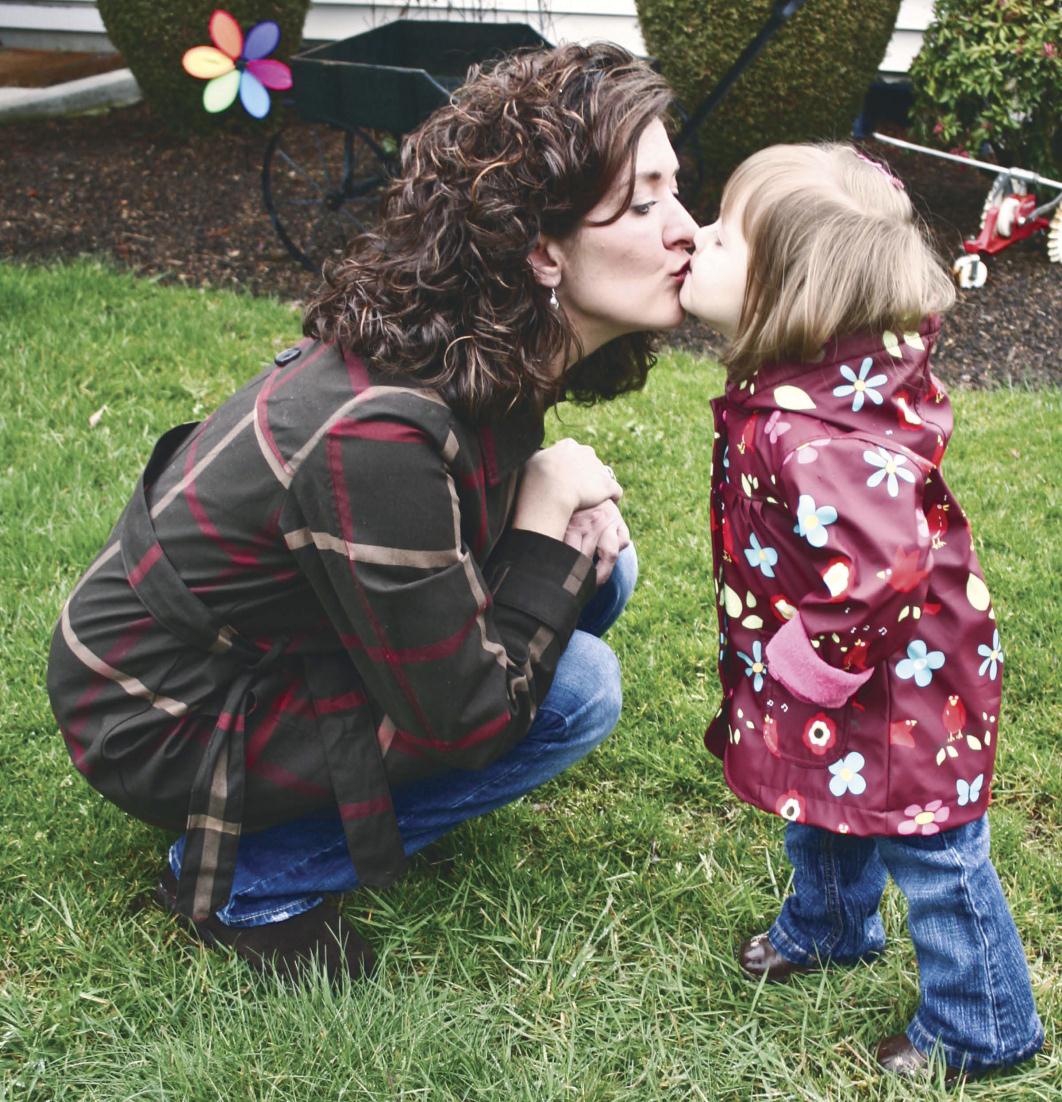
Holly Carson is one of those patients who battled
depression after having a stroke while she was eight
and a half months pregnant. The stroke resulted in
left-side paralysis and seizures. While she was making
significant progress physically, the 35-year-old’s mental
health began to deteriorate. Carson credits the ADAPT
outpatient program, part of the comprehensive services
Stroke takes emotional toll on survivors
available at the PeaceHealth Southwest Stroke Center,
with helping her maintain her focus on rehabilitation and
her role as a new mom.
“I’ve gained so much from my work with nurses,
occupational therapists and peers,” says Carson.
“I’ve been able to improve my communication and
coping skills, and I’m also using arts and crafts as an
additional therapeutic tool.”
If you or a loved one has depression after a stroke, keep
these tips in mind:
Talk with your doctor. Therapy, and in some cases,
medication, can prevent depression from becoming severe
and derailing stroke recovery.
Make the most of rehab. The more you recover, the
better you will feel.
Spend time with family and friends. A safe and loving
environment can do wonders for your spirits.
Maintain your quality of life by staying active and
doing things you enjoy. Things may not be the same after
a stroke, but work to find a way to continue experiencing
the things that bring you joy.
To learn more about the ADAPT Program, call
Memorial Health Center at 360.696.5300.
2
SOUTHWEST
health